
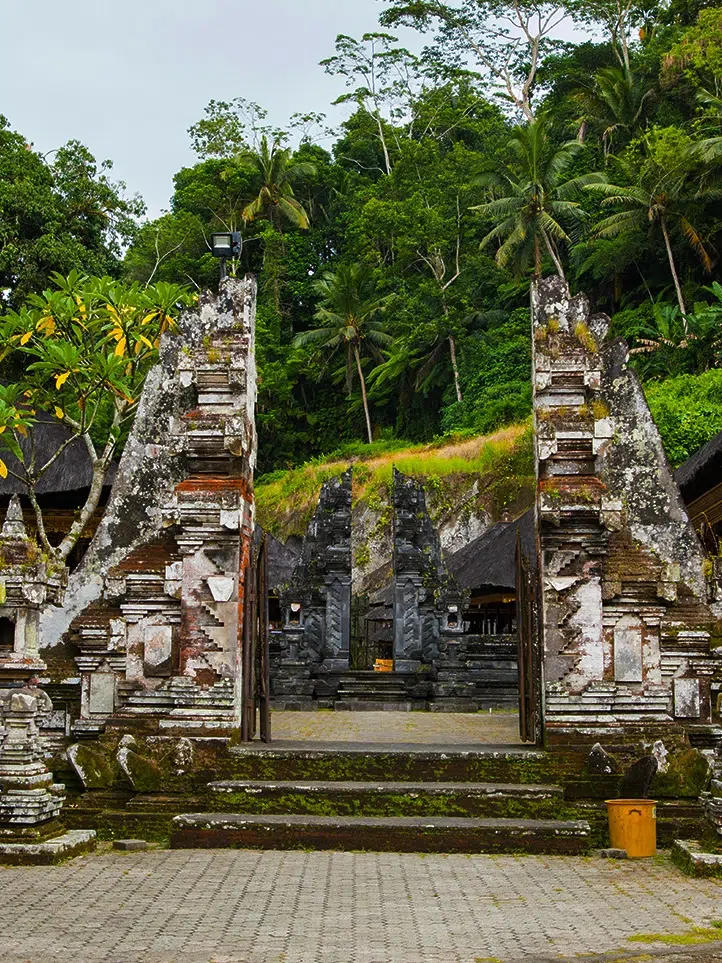
Goa Gajah temple is one of the most historic sacred sites in Bali. Located just a short drive from central Ubud, this ancient complex offers more than a quick photo stop. It reflects centuries of spiritual practice, cultural harmony, and architectural detail.
If you are planning to explore East Ubud, Goa Gajah temple deserves a place on your itinerary.
Goa Gajah temple, also known as the Elephant Cave, is an archaeological site dating back to the 9th century. The name “Goa Gajah” means Elephant Cave. Despite the name, there are no elephants here. Some historians believe the name relates to the nearby Petanu River, once called Lwa Gajah.
The site combines Hindu and Buddhist elements. This makes Goa Gajah temple a symbol of religious harmony in ancient Bali.
Archaeologists estimate that Goa Gajah temple was built during the Warmadewa dynasty around the 9th to 11th century. The cave served as a meditation site for Hindu priests.
The entrance to the cave features intricate stone carvings of a giant face with wide eyes and an open mouth. This design was meant to ward off evil spirits. Inside the cave, you will find small niches used for meditation and statues of Hindu deities, including Ganesha and lingam symbols representing Shiva.
In the courtyard, you can also see Buddhist relics, including stupas. This coexistence shows how Hinduism and Buddhism once flourished side by side in Bali.
The site was rediscovered by Dutch archaeologists in 1923. Since then, restoration work has preserved much of its original structure.
Goa Gajah temple stands out for several reasons:
The bathing pools were uncovered in 1954. They were likely used for ritual purification ceremonies.
Goa Gajah temple is open daily.
Opening hours: 08.00 AM to 05.00 PM local time.
Last entry is usually around 04.30 PM.
It is best to arrive early in the morning to avoid tour bus crowds.
Entrance fees may change, but as a general guide:
International adult ticket: around IDR 50,000 per person.
Children: around IDR 25,000 per child.
The ticket usually includes a sarong rental, which is mandatory to enter the temple area.
Bring small cash for parking and optional donations.
Location and Address:
Goa Gajah temple is located in Bedulu Village, Blahbatuh District, Gianyar Regency, Bali.
It is about 10 to 15 minutes by car from central Ubud. The road access is easy, and parking is available near the entrance.
The best time to visit Goa Gajah temple is between 08.00 AM and 10.00 AM. The temperature is cooler and the lighting is softer for photos.
Weekdays are quieter than weekends. Avoid major Balinese holidays if you prefer fewer crowds.
The dry season from April to October offers more comfortable weather for walking around the complex.
Take your time. The temple complex is not large, but the details are meaningful.
Many travelers focus only on rice terraces and waterfalls. Visiting Goa Gajah temple adds historical depth to your trip. It gives context to Bali’s spiritual identity.
The carvings, bathing pools, and meditation cave offer insight into how ancient communities practiced their beliefs. This is not just a tourist attraction. It is a living heritage site.
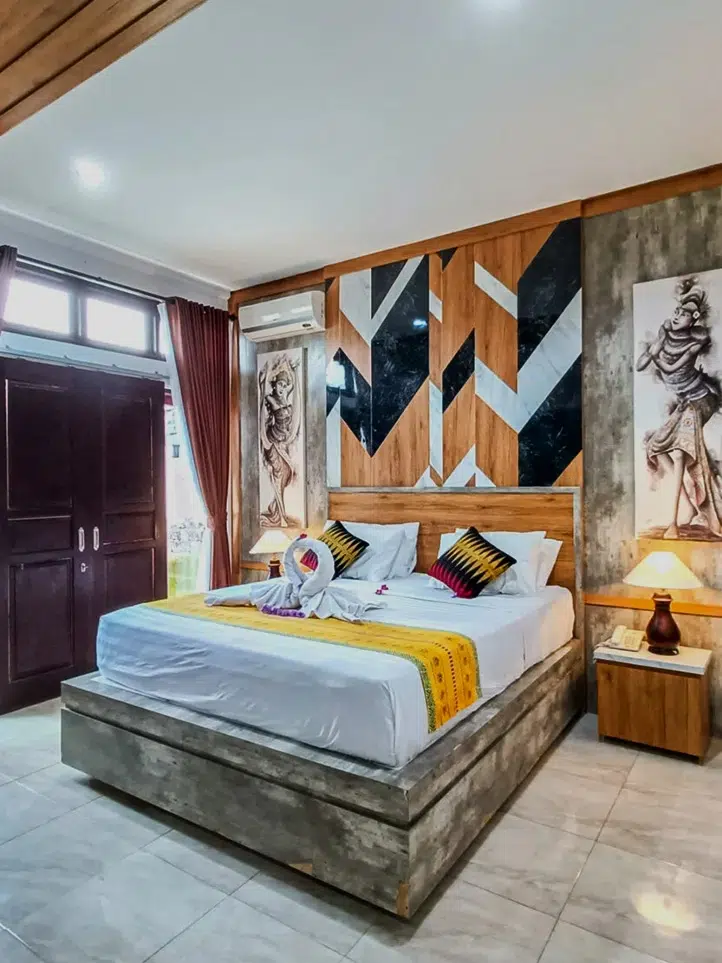
After exploring Goa Gajah temple, you may want to stay nearby and experience East Ubud at a slower pace. Wisata Bintang Hotel by Aligna Hospitality is located within easy reach of the temple area. Staying close allows you to visit early in the morning, return for rest, and continue your journey through Ubud with more intention. When you choose a property that aligns with local wisdom and community values, your visit to Goa Gajah temple becomes part of a more meaningful Bali experience.
Claim our special offers here: https://alignahospitality.com/offers/
Discover Goa Gajah Temple, an ancient sanctuary known for its mystical cave and rich Balinese history. Stay at Aligna Hospitality Guest House, conveniently located near the temple, and enjoy a peaceful retreat after your cultural exploration.