
A Location-by-Location Guide
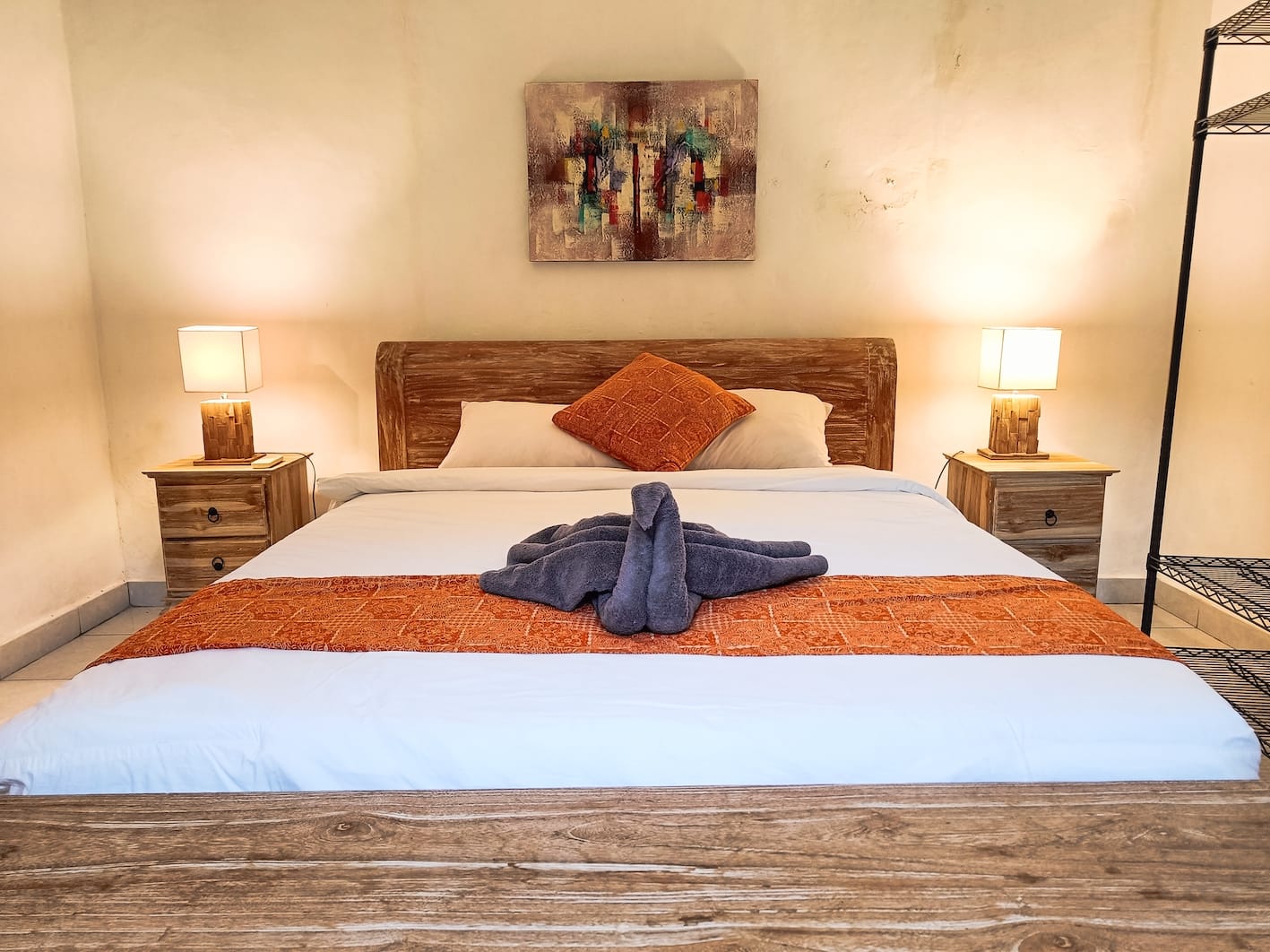
Finding the best area to buy a villa in Bali takes more than choosing a neighborhood you enjoyed during a holiday. Bali is not a single market. It is a collection of micro-environments, each with its own demand profile, guest type, land pricing, and long-term trajectory.
The right area for one buyer is completely wrong for another. A coastal strip that generates strong short-stay bookings through surf tourism is a different investment from a highland location that attracts longer-stay wellness travelers. Both can work. Neither works for everyone.
This guide covers the main areas where villa buyers in Bali are active today, what each one actually delivers, and why Ubud stands apart for buyers who want cultural depth, consistent demand, and long-term value.
Everything else about a villa can be changed. You can renovate the interior, upgrade the pool, replace the furniture, and retrain the staff. You cannot change the land it sits on.
The location determines your guest profile, your occupancy pattern, your pricing ceiling, and the competitive density you operate within. It also determines the maintenance challenges your property faces, the regulatory environment you navigate, and the long-term trajectory of land values around you.
Buyers who choose a location based on personal attachment to a particular beach or neighborhood, without examining the investment fundamentals, often discover the gap between what they expected and what the property actually delivers. The decision deserves the same rigor you would apply to any major asset purchase.
Canggu is the most active short-term rental market on the island. It consistently holds high average daily rates and occupancy across multiple seasons, driven by a guest profile that includes surfers, digital nomads, and travelers who want walkable streets, coworking spaces, and a social atmosphere.
The challenge with Canggu is supply density. The area has seen rapid villa development over the past decade, and construction quality varies significantly. Many villas were built quickly for the investment market, with shortcuts in waterproofing, ventilation, and structural integrity that become visible problems within a few years. Buyers purchasing in Canggu need to scrutinize construction quality carefully before committing.
Land prices in Canggu have risen substantially and continue to do so. Entry costs are among the highest on the island, which compresses yield percentages even when absolute rental income is strong.
Seminyak is Bali’s established luxury corridor. It attracts high-spending travelers, has a mature hospitality infrastructure, and commands premium nightly rates for well-positioned villas. The trade-off is that land prices reflect this positioning. Seminyak is one of the most expensive areas to buy in Bali, and the density of competing high-quality properties means differentiation requires sustained investment in presentation and management.
For buyers with capital to invest at the premium end, Seminyak can deliver strong returns. For buyers entering the market at a mid-range budget, the gap between land cost and achievable yield is worth examining closely before proceeding.
Uluwatu sits on the Bukit Peninsula, elevated on cliffs above the Indian Ocean. The area has developed a reputation for quiet luxury. Cliffside villas with ocean views attract high-net-worth travelers and wellness seekers who prioritize exclusivity and privacy over proximity to town centers.
Nightly rates in Uluwatu can be exceptional for the right property. The guest profile skews toward longer stays and higher daily spend. The distance from Denpasar Airport, about 45 minutes to an hour depending on traffic, is a consideration for some buyers. The area’s infrastructure is less developed than the southern coastal strip, which affects both construction costs and operational logistics.
Sanur is a quieter coastal town on the eastern side of southern Bali. It attracts families, older travelers, and returning visitors who value calm over nightlife. The short-term rental market is less dynamic than Canggu or Seminyak, but the long-term and extended-stay market is strong. Sanur also has a significant expat residential community, which creates steady demand for longer rental arrangements.
For buyers who want lower operational intensity and a more stable, if less explosive, rental performance, Sanur is a reasonable choice.
These two areas sit between Seminyak and Canggu. They offer a quieter residential character with reasonable access to both the beach and central Ubud by road. Land prices are lower than in Seminyak or the core Canggu strip, which makes them attractive for buyers seeking better yield margins.
The guest profile in Umalas and Kerobokan tends toward families and small groups who want space and privacy without paying Seminyak rates. Management of these properties benefits from the same professional approach as any other area, but the operational environment is more relaxed than the high-turnover coastal markets.
Every area listed above has genuine strengths. But Ubud has a different proposition, and for a specific type of buyer, it is the strongest one on the island.
Ubud sits in Bali’s central highlands, surrounded by river gorges, rice terraces, and active temple communities. It is the island’s cultural center. It draws a guest profile that is distinct from every coastal area: wellness travelers, couples on meaningful trips, remote workers seeking an immersive environment, families who want space and cultural context over beach access.
This guest profile tends to stay longer. Average lengths of stay in Ubud consistently exceed coastal areas. Longer stays mean lower operational turnover, better per-stay economics, deeper guest engagement, and a higher proportion of returning visitors who book directly.
Ubud’s demand is also more diversified by season than coastal areas. The cultural calendar brings visitors for Nyepi, Galungan, and the Ubud Writers and Readers Festival. The wellness and yoga infrastructure draws guests year-round, including during the wet season when coastal markets see sharper demand drops. This diversification smooths out occupancy curves in ways that benefit property owners.
Land prices in Ubud remain meaningfully lower than in Canggu, Seminyak, or Uluwatu for comparable property sizes. A three-bedroom villa with a private pool and garden that would cost significantly more to acquire in Canggu is achievable at a lower entry point in Ubud’s northern and eastern areas, producing better yield margins from day one.
Ubud also has a well-established management infrastructure. The area has been a destination for international travelers for decades, and the hospitality ecosystem, from villa management companies to tour guides to local contractors, is mature and professionally oriented.
The one trade-off is beach access. Ubud is inland, and the nearest coastal areas are 45 minutes to an hour by road. For a guest profile that prioritizes cultural immersion, wellness, and natural highland scenery, this is not a meaningful drawback. For buyers whose target guest primarily wants beach access, it is a relevant consideration.
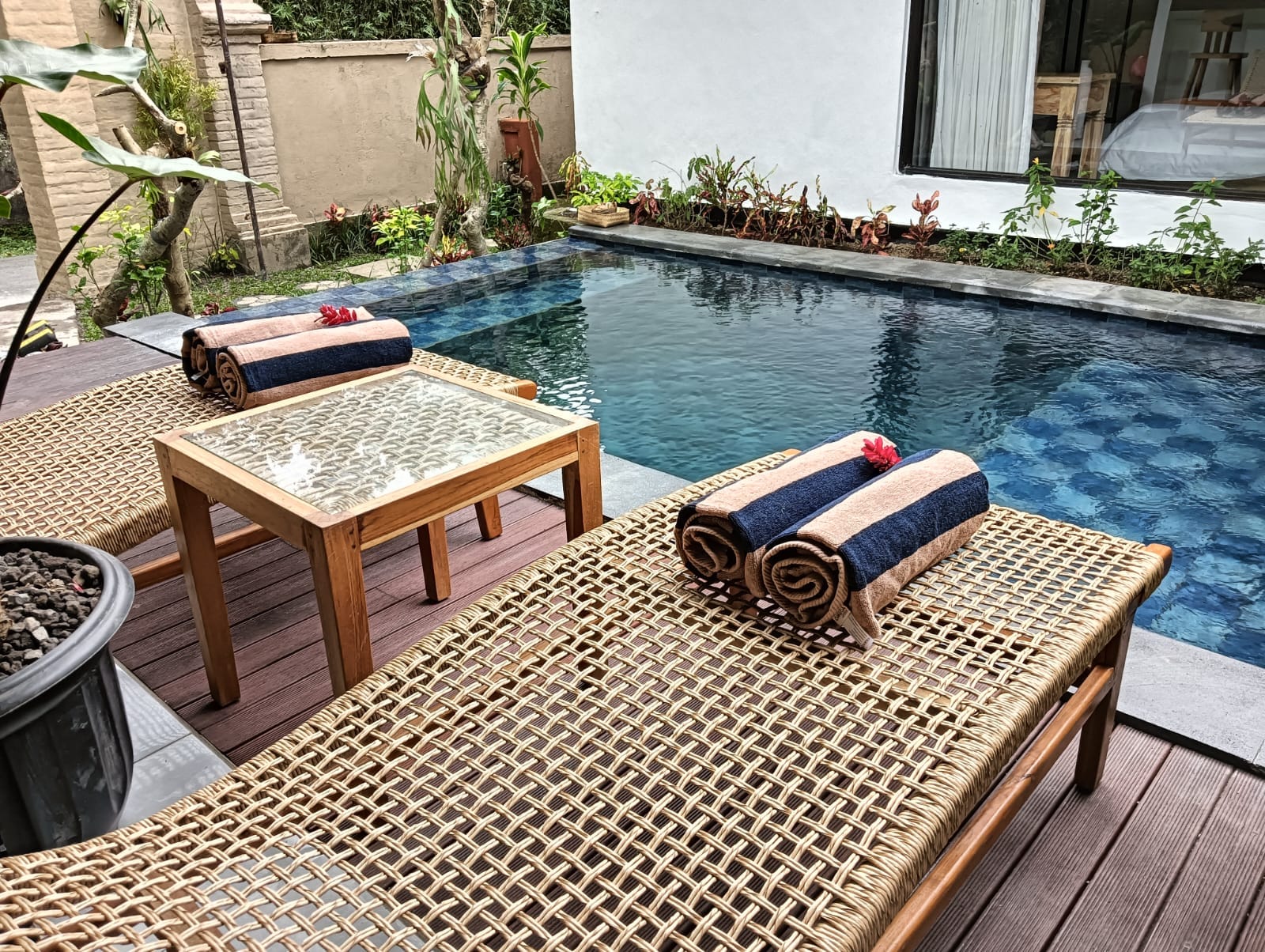
Gopala Villa North Ubud is a three-bedroom private villa in the northern part of the Ubud area. It has a private pool, open garden, and full kitchen. It accommodates up to six guests and serves both families and small groups.
The property demonstrates what Ubud’s location delivers in practice. The northern Ubud position gives guests proximity to Penglipuran village, Keliki’s artist community, quiet rice field walks, and a back road network that reaches Kintamani and Mount Batur without requiring significant drive time through congested town centers.
The villa’s performance reflects the guest profile that Ubud attracts. Longer stays, culturally motivated travelers, and a booking pattern that holds reasonably well across seasons. It also reflects what professional management adds to a well-located property.
Gopala Villa is managed by Aligna Hospitality. The consistent guest experience it delivers, from communication through check-out, is a function of the management structure behind it, not just the physical property.
Land title and ownership structure. Foreign nationals cannot hold freehold titles in Indonesia directly. Buyers typically use leasehold arrangements or specific corporate structures. Each approach has different legal implications, and the specifics matter. Work with a qualified notary and legal advisor who specializes in Indonesian property law before committing to any purchase.
Zoning classification. Not every parcel in Bali is zoned for tourism or commercial use. Green zone land, classified for agriculture, carries restrictions on development. Confirming that the land is correctly zoned for the type of villa operation you intend is a necessary first step, not an afterthought.
Water and infrastructure access. In some Ubud areas, water supply comes from communal wells or local irrigation channels rather than municipal supply. Electricity capacity also varies. Confirm what infrastructure exists on the specific parcel before purchasing.
Flood and drainage risk. Bali’s wet season brings significant rainfall. Properties at lower elevation, near rivers, or on land with poor drainage carry real risk. In the Ubud area specifically, properties near the Wos River and Ayung River gorges require attention to flood history and drainage engineering.
Management plan before purchase. Knowing how the property will be operated from day one affects both the revenue projection and the purchase decision. Buyers who have a management partner in place before acquiring the property are better positioned to evaluate whether the projected returns are realistic.
Owning a well-located villa in Bali is the first decision. Operating it at its full potential is the ongoing one.
Aligna Hospitality manages private villas, boutique hotels, and guest houses across the Ubud area. The management scope covers dynamic pricing, guest acquisition, daily operations, preventive maintenance, staff coordination, financial reporting, and regulatory compliance. For villa owners based outside Bali, this means a full operational layer that keeps the property performing without requiring the owner’s daily involvement.
Aligna also runs a direct booking platform that gives owners a revenue channel with lower commission dependency than third-party platforms.
If you are evaluating a villa purchase in Ubud and want to understand what management would look like for your specific property, reaching out to the Aligna team gives you a clear picture of what professional operations actually costs and delivers in this market.
Find the neighborhoods where demand continues to grow with Aligna Hospitality. Each destination offers unique opportunities for both rental income and long-term appreciation.