
A Month-by-Month Guide for Every Type of Traveler

The best time to visit Ubud depends on what kind of trip you want. That answer sounds simple, but it matters more here than in most destinations.
Ubud sits in the highlands of central Bali. It does not behave like the coast. The air is cooler, the rain is heavier, and the cultural calendar runs on its own rhythm. A traveler chasing outdoor adventures needs a different window than someone planning a wellness retreat or a creative stay.
This guide breaks down each season, month by month, so you can match your travel style with the conditions that actually suit it.
Bali has two seasons. The dry season runs from April through October. The wet season runs from November through March.
For Ubud specifically, these seasons feel more pronounced than in southern Bali. The highland elevation means temperatures stay between 23 and 30 degrees Celsius year-round, but humidity and rainfall vary significantly. That variation shapes everything from which trails are accessible to how crowded the streets feel.
Neither season is bad. They are just different.
This is the most popular time to visit Ubud. The skies are clear more often than not, outdoor activities are easier to plan, and the iconic landscapes, rice terraces, river gorges, ridge walks, look their sharpest under direct light.
April and October are the shoulder months. Crowds are thinner than in peak July and August, but the weather is still reliable. These two months offer the best balance of good conditions and manageable tourist numbers.
May and June are a strong choice for travelers who want the dry season experience without school holiday pricing. Accommodation rates tend to be lower before the July-August peak.
July and August bring the highest number of visitors. Tegallalang fills up. The Monkey Forest is crowded from mid-morning onward. Popular restaurants require reservations. If you visit during these months, plan your outdoor activities for 6 to 8 AM and spend midday at your accommodation.
September is underrated. The dry season holds through most of the month, crowds begin thinning after the school holidays end in August, and prices start to ease.
What you can do during the dry season:
The dry season is the best time to visit Ubud if outdoor activities are your priority.
The wet season is not what most travelers fear. Rain in Ubud during this period typically comes in short, intense afternoon showers. Mornings are often clear. By evening, the air is fresh and the temperature drops noticeably.
What changes most is the landscape. Everything turns deeper green. Waterfalls run at full volume. Rice fields at various stages of growth create layered textures across the hillsides.
November and December are transitional months. Rainfall increases but is not yet at its heaviest. Tourist numbers drop sharply after the October shoulder period, which means shorter queues at temples, better availability for cooking classes and spa treatments, and a quieter version of Ubud.
January is a month that smart travelers use to their advantage. Rainfall is at its peak, but the showers are predictable enough to plan around. Mist settles between the valleys in the mornings. Wellness centers like The Yoga Barn have open spots without advance booking. Cultural workshops are accessible. Villa and guest house rates are at their most competitive all year.
February and March bring the spiritual peak of the Balinese calendar. Nyepi, the Day of Silence, falls in March. The Ogoh-Ogoh parade the night before Nyepi is one of the most striking public events in Bali, with enormous papier-mache figures carried through the streets at night by torchlight. Experiencing Nyepi in Ubud means 24 hours of complete island silence, no vehicles, no lights visible from outside, no noise. It is unlike anything available elsewhere in the world.
What you can do during the wet season:
The wet season is the best time to visit Ubud if you want lower prices, fewer tourists, and deeper access to daily Balinese life.
January. Wet peak. Quiet, green, affordable. Good for wellness and creative stays.
February. The wet season continues. Galungan may fall here. Spiritual atmosphere is strong.
March. Nyepi month. Unique cultural experience. Book early as Nyepi draws specific visitors.
April. Dry season begins. Shoulder month with good conditions and lighter crowds.
May. Reliable dry weather. Lower rates than peak months. Good overall balance.
June. Dry season in full effect. Bali Arts Festival begins. Busier toward month-end.
July. Peak season. Best weather, highest crowds, highest rates. Book far in advance.
August. Peak continues. School holidays from multiple countries overlap.
September. Dry season holds. Crowds thin after mid-August. A strong choice.
October. Shoulder month. Ubud Writers and Readers Festival typically occurs here.
November. Wet season begins. Noticeably quieter. Rates begin dropping.
December. Rain increases. Christmas and New Year bring a brief tourist surge in the last two weeks.
Your activities matter most. Outdoor trekking and river activities work best April through October. Wellness, culture, and budget travel work well November through March.
Your tolerance for crowds matters. July and August in Ubud can feel overwhelming if you expected calm. April, May, September, and October give you dry weather without the density.
Your budget matters. Wet season rates for quality accommodation can be 20 to 30 percent lower than peak dry season rates. That gap is meaningful for longer stays.
Your interest in ceremony matters. Nyepi, Galungan, and Kuningan are tied to the Balinese calendar, which shifts each year. Check the specific dates for your travel year. These ceremonies transform the atmosphere of Ubud in a way that no other event does.
Choosing the right accommodation helps you get more out of whatever season you visit.
Gopala Villa North Ubud is a three-bedroom private villa with a pool, open garden, and full kitchen. It sits in the quieter northern part of the Ubud area, closer to Penglipuran, Keliki village, and the ridge walk starting point. During the wet season, a private villa gives you space to enjoy the rain from a covered terrace without feeling confined. During the dry season, the pool and garden become your central space between activities.
Nobody Inn Ubud is a guest house closer to the center of Ubud. It has high-speed Wi-Fi, a shared lounge, and a location that puts you within walking distance of the main market, art galleries, and several temple sites. It works well for solo travelers, digital nomads, and anyone who wants to stay connected to the rhythm of Ubud daily life. Both dry and wet season visits are straightforward from this base because you are not dependent on transport for everyday movement.
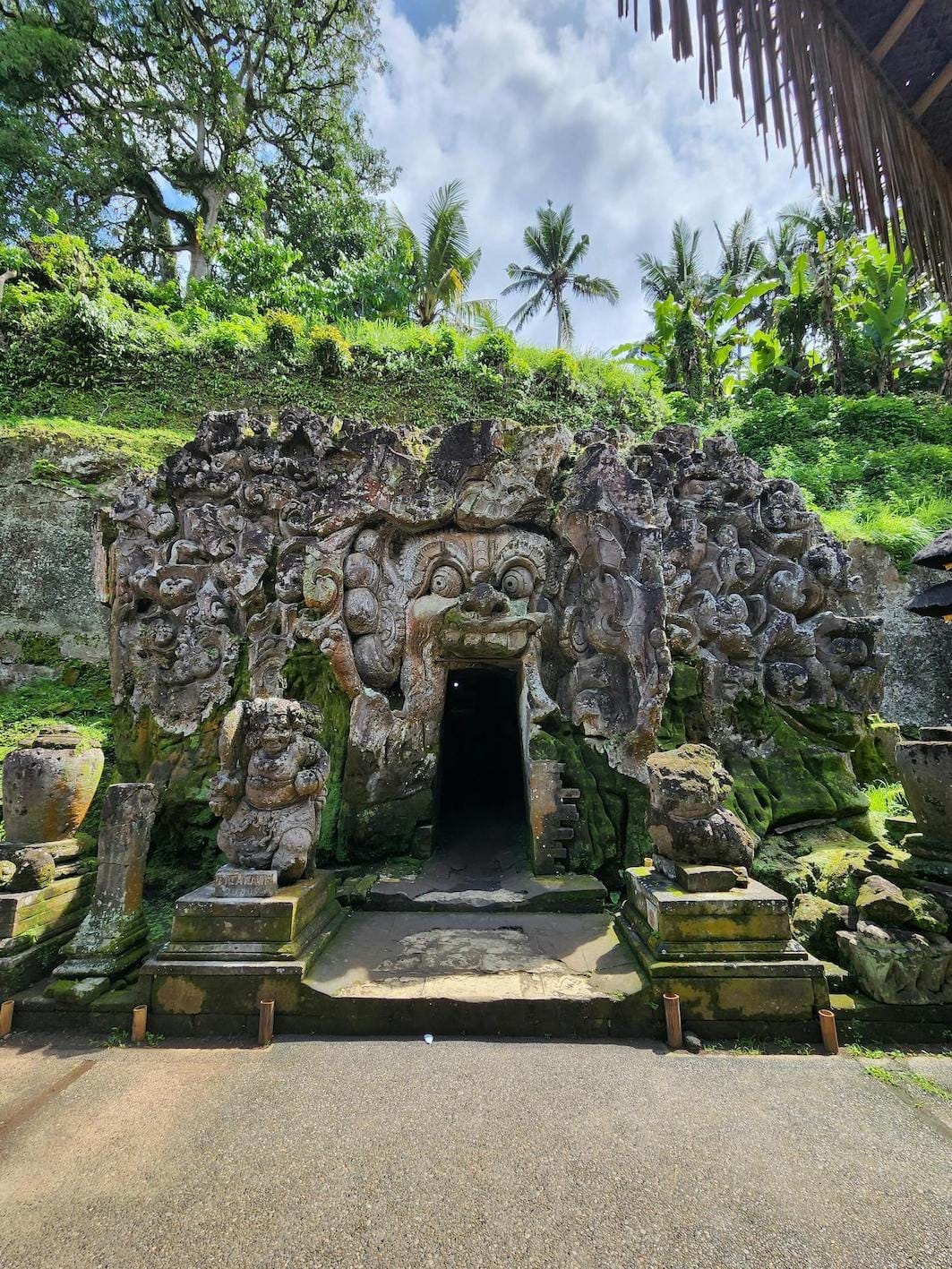
Wisata Bintang Hotel offers a hotel-style option for travelers who prefer more structured service. Private suites, daily service, and a location near Goa Gajah give you proximity to cultural sites in both directions. Students supported by the hotel’s involvement with local hospitality training programs provide attentive service that reflects the community-first approach Aligna Hospitality is built on.
Aligna Hospitality currently offers a Green Season promotion for direct bookings. Book three consecutive nights and receive one complimentary night. It is their way of giving you extra time to explore, whether that means the bamboo jungles around Andong or the quiet back streets of Ubud that most travelers never find. Use the code STAY3PAY2 when booking directly. The offer is based on seasonal availability, so reach out to the Aligna team to confirm before you book. A minimum of three consecutive nights is required, and the complimentary night is forfeited if the stay is shortened after check-in.
Booking direct means your rate goes further and your stay comes with support from a team that knows Ubud in depth.
The best time to visit Ubud is not a single answer. It is a match between your travel style and what the island offers in a given month.
July gives you perfect weather and full energy. January gives you silence, green landscapes, and better rates. April and October give you the dry season without the crowd peak. March gives you Nyepi, a cultural experience with no equivalent anywhere in the world.
Ubud does not have a bad season. It has different seasons. Knowing the difference lets you plan a trip that fits what you actually want from it.
Visit during the dry season for sunny days and lush green views, or enjoy the wet season for a calmer and more refreshing tropical atmosphere. Stay in the finest Ubud villas & guest houses with Aligna Hospitality for a relaxing island retreat.