Where to Go, What to Buy, and How to Do It Right
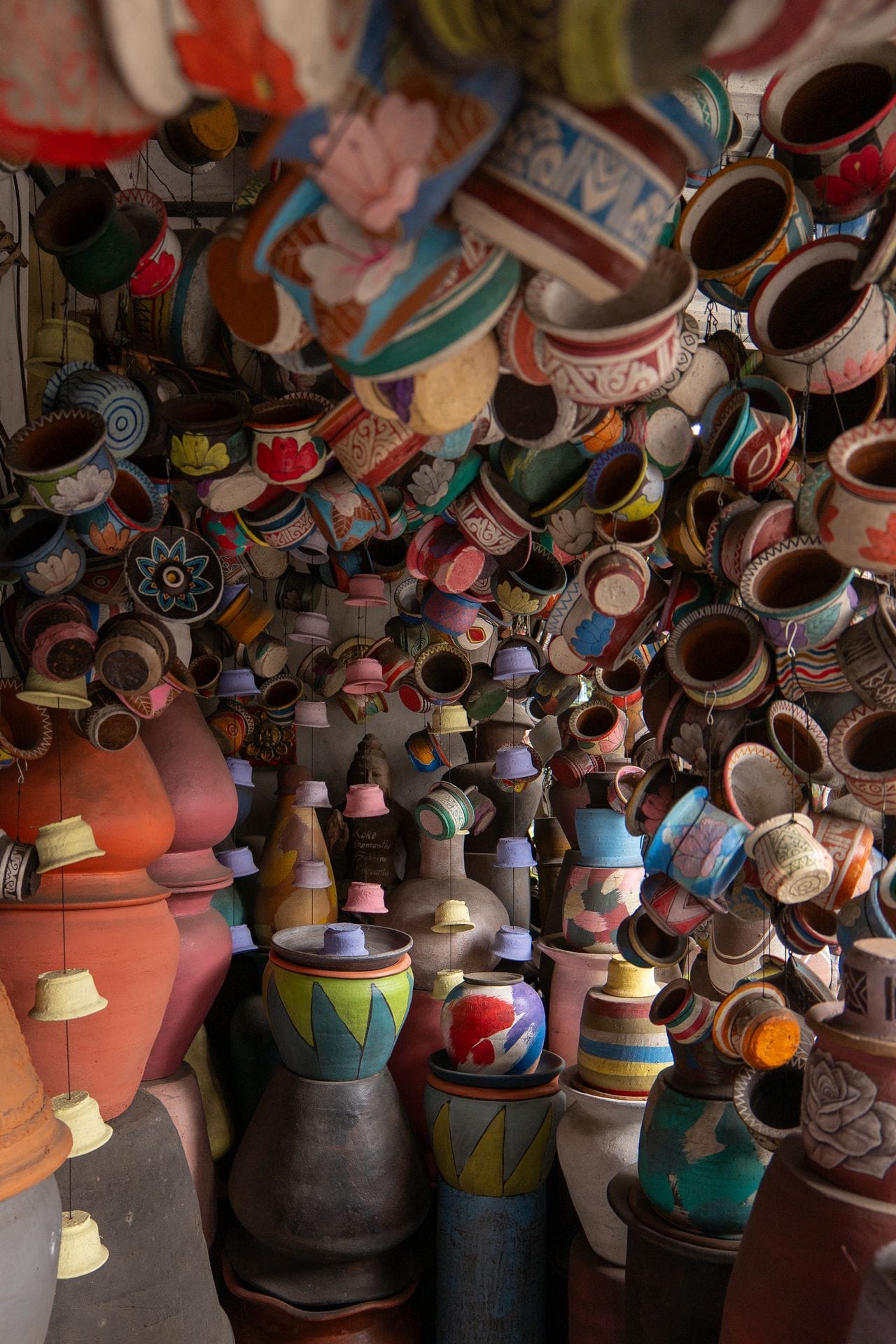
Shopping in Ubud is a different experience from shopping anywhere else in Bali. It is not about malls or branded stores. It is about hand-painted canvases stacked in doorways, silver jewelry made by the same family for three generations, batik fabric dyed with natural materials from plants grown nearby, and wood carvings that take weeks to finish.
The town is compact enough to explore on foot, but the variety of what is available across its streets, markets, and art cooperatives could fill several days of unhurried browsing. This guide covers where to go for specific categories, what to expect from each area, and a few practical notes to make the experience more rewarding.
Ubud is Bali’s cultural center. Most of what you find here is made nearby, by local artisans working in traditions that have been active for generations. That context matters when you are buying.
A painting from the Ubud art market was likely made by someone from Pengosekan or Penestanan, both villages less than three kilometers away where painting is still a primary livelihood. A silver piece from a Celuk workshop reflects craft techniques passed down through specific family lineages. A carved wooden mask from a Mas studio is produced in the same village that has specialized in woodcarving for over a century.
Shopping in Ubud is not just a commercial transaction. It is access to craft production that is genuinely rooted in the place. That is what sets it apart from souvenir markets in Kuta or the boutique strips of Seminyak.
The Ubud Art Market, known locally as Pasar Seni, sits on Jalan Raya Ubud directly across from Puri Saren Agung, the royal palace. It is the most concentrated single shopping point in Ubud and the right place to start.
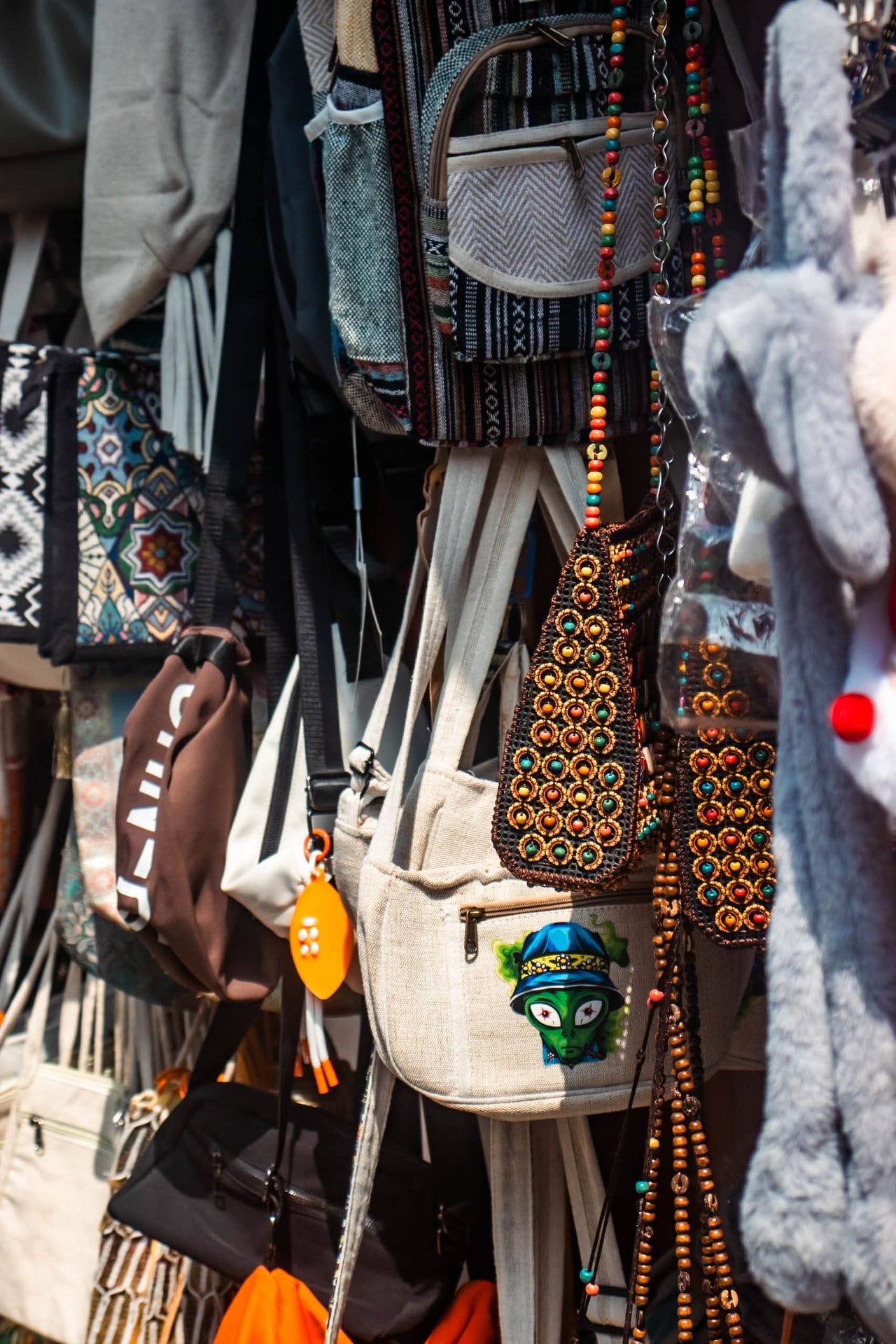
The market sells textiles, sarongs, wooden crafts, silver jewelry, paintings, bags, clothing, wayang shadow puppets, and a wide range of decorative items. Most are made locally or sourced from Balinese craft villages. Prices are not fixed. Bargaining is expected and entirely normal. A first quoted price can be reduced by 30 to 50 percent with patient negotiation.
Go early. The market is most active between 7 and 10 AM. Sellers are fresher, the light is better for examining textiles and detail work, and the crowds of day-trip tourists have not yet arrived from the south. By midday, the central lanes are crowded and the heat makes extended browsing less comfortable.
The market has two levels. The ground level handles most of the clothing and textile traffic. The upper section has more art, carvings, and specialty items. Spend time on both.
Jalan Raya Ubud is the main road through the center of town and runs east to west for about two kilometers. The shopping density along this stretch is high and the range is wide.
You will find clothing boutiques alongside galleries alongside organic food stores alongside souvenir shops. Quality varies. The boutiques on the western section of Jalan Raya, toward Campuhan, tend to be more curated and priced accordingly. The section closer to the market is busier and more mixed.
Take your time walking both sides of the street and note what you want to return to. First-pass browsing without buying anything is a sensible strategy in Ubud. Once you understand what is available and at what price range, your second pass is more decisive.
Jalan Hanoman runs south from the central market area and has developed a character distinct from the main road. It is where Ubud’s wellness economy and independent retail overlap.
Alchemy, one of the island’s more established raw food and organic restaurants, has a retail section on this street where you can find organic skincare, superfoods, and wellness products made in Bali. Periplus, the region’s most reliable English-language bookshop with a strong travel and culture section, has a location here. Several independent clothing designers have studios and small stores along this stretch, selling pieces that are made locally and not available through large distribution channels.
Jalan Hanoman is also where several eco-conscious brands selling upcycled clothing, plant-based products, and sustainable homewares operate. If that category interests you, this is the right street.
Jalan Monkey Forest leads south from the center toward the Sacred Monkey Forest Sanctuary. The shops along this road are a mix of tourist-oriented souvenir sellers and more interesting craft and clothing stores. The further south you walk, the less crowded the shops become.
Jalan Dewi Sita, which runs roughly parallel to Jalan Hanoman, has a quieter character and a concentration of boutique clothing stores, handmade jewelry studios, and specialty food shops. It rewards a slower pace. Several artists and designers have working studios along this road that function as retail spaces. You can often speak directly with the maker, which adds a dimension to the purchase that a standard shop transaction does not have.
Sukawati Art Market sits about 15 minutes south of Ubud center by car. It is one of the most active wholesale and retail craft markets in Bali and is where many of the sellers in Ubud restock their own inventories.
If you are buying in volume, whether for personal use or as gifts, Sukawati offers lower base prices than Ubud’s retail market. The trade-off is that it requires more navigation. The market is large and the quality across vendors is uneven. You need to look carefully and compare before committing to anything.
The best categories at Sukawati are textiles, batik cloth, traditional clothing including kebaya and sarongs, and decorative items. Bargaining is standard here and the starting prices reflect the expectation of negotiation.
Mas sits about 10 minutes south of Ubud along the main Gianyar road. It is Bali’s primary woodcarving village and has been for generations. The road through Mas is lined with workshops and galleries selling carved masks, figurines, furniture, decorative panels, and relief work.
Quality varies significantly between workshops. The pieces produced by senior carvers in established family workshops are genuinely different from mass-produced items sold in tourist-facing shops. Ask to see working areas where possible. Reputable workshops welcome this.
Mas is worth a dedicated half-day rather than a drive-through stop. The pieces made here are not the kind of thing you can find elsewhere. They are the product of a specific place and a specific skill base with real depth behind it.
Celuk is Bali’s silversmith village, about 20 minutes from Ubud toward Denpasar. The village has specialized in fine silver and gold jewelry for generations. The quality of craftsmanship here exceeds what you find in market jewelry shops in Ubud center by a significant margin.
Most workshops in Celuk are family operations where younger craftspeople work alongside senior silversmiths. Prices are lower than what comparable pieces would cost in hotel boutiques or Seminyak jewelry stores. Many workshops allow you to watch the process or commission custom pieces with short lead times.
The road leading from Ubud north toward Tegallalang rice terrace passes through a stretch of roadside craft stalls and workshops. The stalls sell wind chimes, rattan baskets, bamboo furniture, garden ornaments, and decorative items. The scale of some pieces makes sense only if you are shipping, but smaller decorative items and practical craft goods here are well priced and genuinely made locally.
Carry cash in smaller denominations. Many smaller shops and market vendors do not accept cards, and having IDR 50,000 and IDR 100,000 notes makes transactions straightforward. ATMs are available on Jalan Raya Ubud and Jalan Monkey Forest.
Bring your own bag or use the compact folding bags sold at organic stores on Jalan Hanoman. Bali has moved away from single-use plastic at most retail points.
Do not buy antiques without understanding the export restrictions. Genuine antiques require documentation for legal export from Indonesia. Most items sold as antiques in Ubud are reproduction pieces. If a seller claims a piece is genuinely antique and prices it accordingly, ask for provenance documentation before purchasing.
Shop in the morning for markets and in the afternoon for galleries and boutiques. Galleries and independent stores are often quieter and more available for conversation in the late afternoon when the day-trip crowds have moved on.
A good base in Ubud makes a meaningful difference when you are covering ground across multiple days. The shopping areas in Ubud center, Jalan Hanoman, and Jalan Monkey Forest are walkable from properties in the Andong and Laplapan areas. Mas and Celuk are accessible by scooter or a short car ride from most Ubud accommodations.
Nobody Inn Ubud sits in the Andong neighborhood, one of Ubud’s quieter residential pockets. It has high-speed Wi-Fi, a co-working lounge, and walkable access to the central market and main shopping streets. It is a practical base for travelers who want to cover ground during the day and return to a comfortable, well-connected space in the evening. For solo travelers and those extending their stay to explore Ubud properly, the location and setup work well.
Ngesil Private Joglo and Pool in Gentong is a traditional Balinese joglo structure beside the Wos River, with a private pool, and a quiet compound that provides a genuine break from the activity of the town center. The surrounding area is calm and local, and the property is a short ride from both the Ubud market and the craft villages south of the center.
Both properties are managed by Aligna Hospitality. Guests who book directly through Aligna currently benefit from the Green Season promotion: book three consecutive nights and receive one complimentary night, using the code STAY3PAY2, subject to seasonal availability.
Staying in Ubud for at least three nights gives you enough time to cover the main shopping areas without rushing. The market, the side streets, Mas, and Celuk each deserve a proper half-day. A three-night base lets you approach each one unhurried.
Shopping in Ubud at its best is not about checking locations off a list. It is about finding the workshop where the maker is still at work, the stall with the most interesting piece tucked in the back, the gallery where the owner sits and talks about what the paintings mean.
That kind of discovery takes time and a willingness to wander without a fixed agenda. Ubud has enough depth across its streets, villages, and markets to reward that approach fully.
Discover handcrafted goods, unique artworks, and authentic Balinese souvenirs. Explore charming boutiques and vibrant local markets.